Contenuto in: 

Il restauro del simulacro di santa Lucia

€ 6,00

Sommario

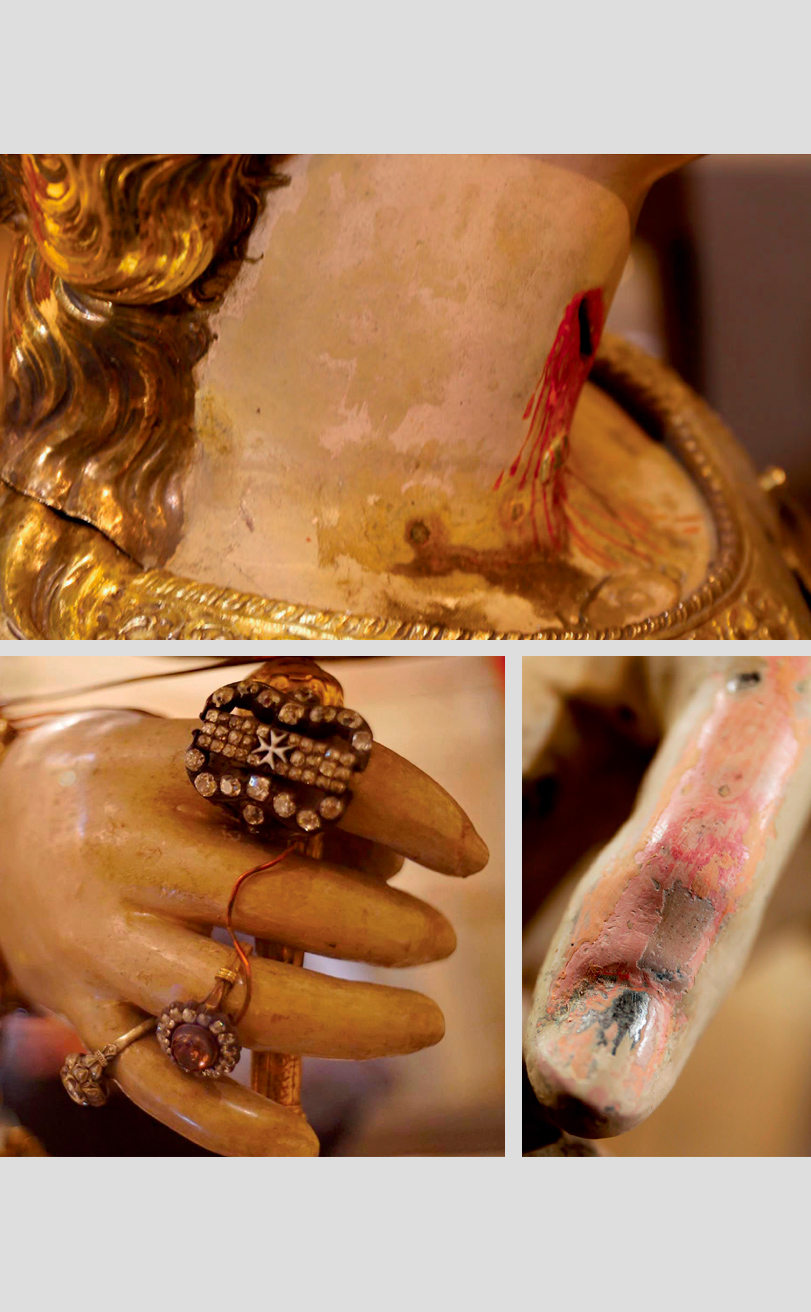
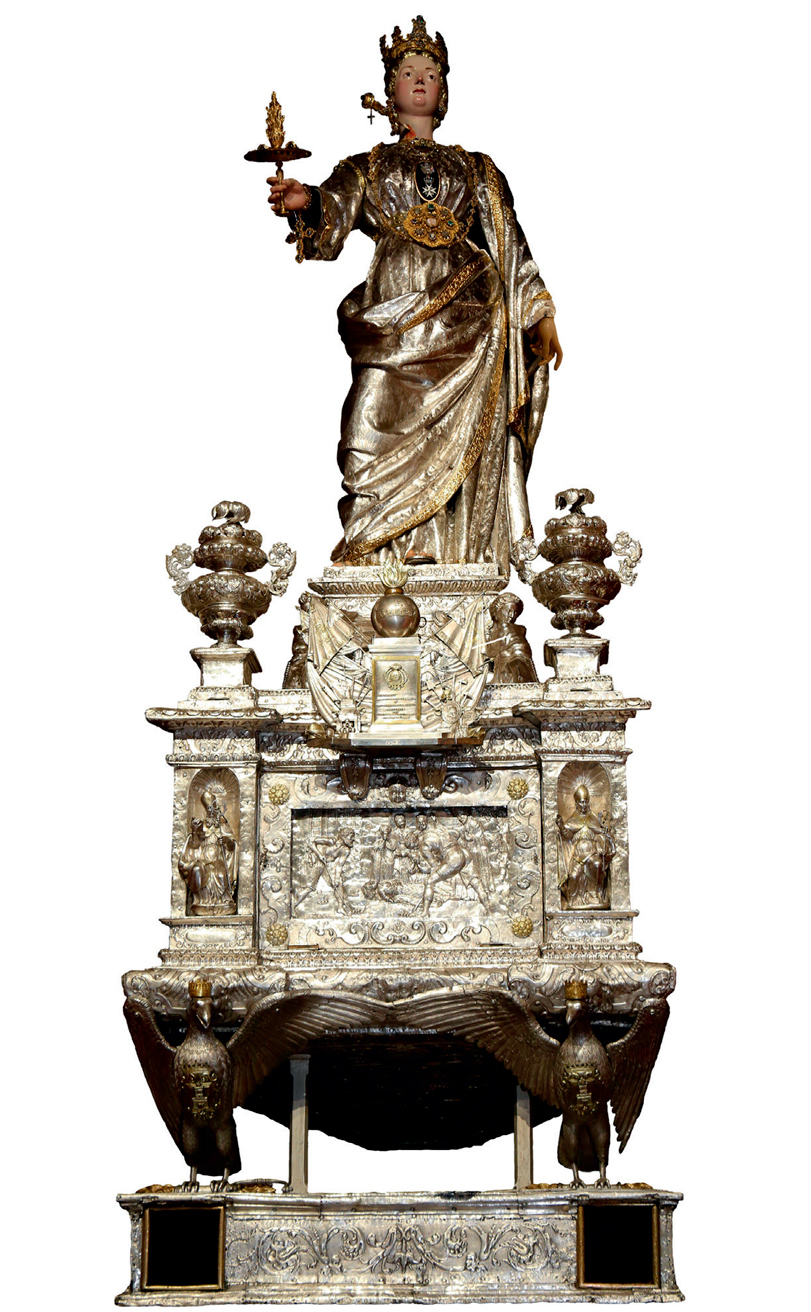
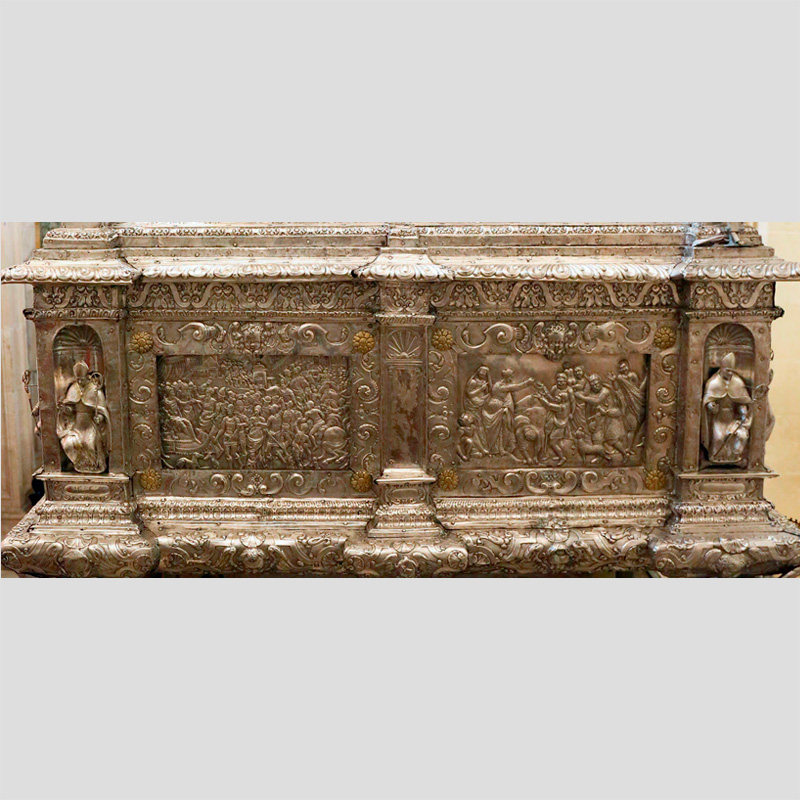
Santa Lucia è la vergine martire venerata a Siracusa, a cui, nel XVI secolo, la città dedicò il Simulacro d’argento, attualmente custodito nella Cattedrale di Ortigia. Famosi argentieri come Nibilio Gagini e altri contribuirono alla realizzazione dell’opera, che è composta da tre parti distintive dal punto di vista cronologico ma legate stilisticamente: la statua, il reliquiario e la base. Dal punto di vista conservativo, la sua storia è molto movimentata, poiché inizia dopo pochi decenni dalla sua realizzazione e continua nel tempo con un gran numero di interventi, che vanno dalla sostituzione della struttura in legno alla pulizia delle lastre d’argento. L’attuale restauro, effettuato dal restauratore della scuola del Beato Angelico di Milano, è stato affrontato con una metodologia di conservazione diversa rispetto a quelle del passato, con maggiore rispetto e attenzione ai materiali costitutivi e alle loro trasformazioni nel tempo, attraverso il loro studio e il monitoraggio dell’ambiente conservativo, e una scelta adeguata dei prodotti utilizzati per l’intervento, che ha visto anche l’impiego di materiali ecologici come spugne e gommi per la pulizia a secco, sia per la pulizia delle superfici metalliche sia per le miscele di argilla per la rimozione dell’ossidazione dell’argento, sostituendo così reagenti chimici più aggressivi. Grazie a questo intervento è stato anche possibile analizzare in dettaglio le superfici metalliche, identificando tracce del processo di creazione, come punzoni e marchi degli argentieri.

Summary

Saint Lucia is the virgin martyr venerated in Syracuse, and to whom, in the 16th Century, the city dedicated the silver Simulacrum, now kept in the Cathedral of Ortigia. Well-known silversmiths such as Nibilio Gagini and others contributed to the construction of the artwork, which is made up of three chronologically distinct but stylistically linked parts: the statue, the case, and the base. From a conservative point of view, its history is very eventful, as it begins after a few decades from its realization to continue over time with a great number of interventions, that go from the replacement of the wooden structure to the cleaning of the silver sheets. The current restoration, carried out by the restorer of the Beato Angelico school of Milan, has been approached with a different conservation methodology from those of the past, with greater respect and attention to the constituent materials and their transformations over time, through their study and the monitoring of the conservative environment, and a suitable choice of the products used for the intervention, which also saw the use of environment-friendly materials such as sponges and rubbers for dry cleaning, both for the cleaning of complexions or surfaces metal, and clay mixtures for the removal of silver tarnishing, to replace more aggressive chemical reagents. Through this intervention it was also possible to analyze the metal surfaces in detail, identifying traces of the creation process, such as silversmiths’ punches and marks.

Pubblicazioni collegate