Contenuto in: 

L’Antéchrist et l’exégèse médiévale de l’Apocalypse

€ 6,00

Categoria:
Autori:

Sommario

L’Anticristo, nonostante la sua sinistra reputazione, non divenne una figura centrale nelle rappresentazioni visive dell’Apocalisse per molti secoli. Questo può sembrare paradossale, dato il suo significato nell’escatologia cristiana, ma la storia dimostra che la sua raffigurazione nei cicli illustrati fu sia sporadica che tardiva.
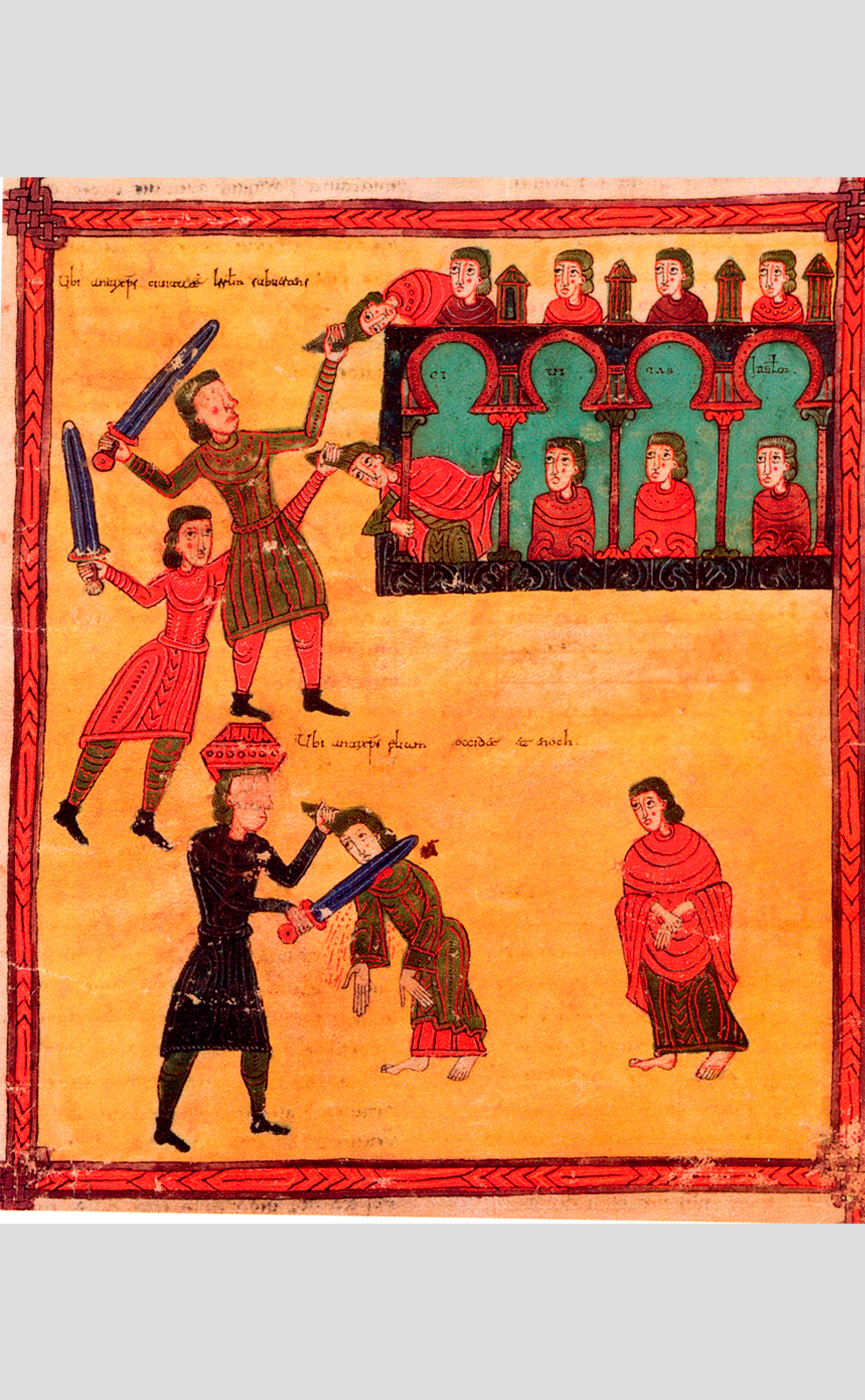
Nei primi manoscritti illustrati, la figura dell’Anticristo è quasi assente. Ad esempio, nei manoscritti del Beato—a cura di Beato di Liébana, una raccolta di commenti sull’Apocalisse—l’Anticristo appare solo brevemente nell’edizione del 776 e in modo più esteso nelle edizioni postume degli anni 950. Tuttavia, queste apparizioni sono ora accessibili solo attraverso versioni successive dell’edizione del 784. Solo molto più tardi, e in modo piuttosto timido, l’Anticristo iniziò a riapparire nei manoscritti illustrati, come nel Liber Floridus e in alcune Apocalissi inglesi degli anni 1250. Queste illustrazioni attingevano da cicli che raffiguravano la sua vita (Vita), come quelli presenti nell’Hortus Deliciarum.
Fu solo con le Bibbie moralizzate—particolarmente con la Bibbia latina di Vienna e altre simili collezioni in tre volumi—che l’Anticristo trovò un posto più stabile. Qui, la sua raffigurazione assume un aspetto chiaramente diabolico e mostruoso, probabilmente in reazione alla sua rappresentazione più principesca nell’Hortus Deliciarum. Questa immagine demoniaca fu mantenuta nelle successive Apocalissi inglesi del gruppo Morgan.
La domanda sorge spontanea: perché l’Anticristo fu così spesso emarginato nella tradizione figurativa dell’Apocalisse? La risposta si trova nella storia dell’esegesi cristiana. Il “Figlio della Perdizione” menzionato da San Paolo fu spesso sottovalutato o confuso con il diavolo stesso. La sua identità era ambigua—talvolta vista come una mera incarnazione del male, un simulacro, o persino il figlio del diavolo, come suggerito da teologi come Anselmo di Laon e Gregorio Magno. Questa mancanza di una identità ben definita nel discorso teologico contribuì probabilmente alla marginalizzazione dell’Anticristo nell’arte cristiana e nelle illustrazioni dei manoscritti antichi.

Summary

The Antichrist, despite his ominous reputation, did not become a central figure in the visual representations of the Apocalypse for many centuries. This might seem paradoxical given his significance in Christian eschatology, but the historical record shows that his depiction in illustrated cycles was both sporadic and delayed.
In the earliest illustrated manuscripts, the figure of the Antichrist is scarcely present. For example, in the Beatus manuscripts—a collection of commentaries on the Apocalypse written by Beatus of Liébana—the Antichrist appears only briefly in the edition of 776 and more extensively in the posthumous editions from the 950s. Even so, these appearances are now only accessible through later versions of the 784 edition. It was only much later, and rather timidly, that the Antichrist began to reappear in illustrated manuscripts, such as in the Liber Floridus and some English Apocalypses from the 1250s. These illustrations borrowed from cycles depicting his life (Vita), such as those in the Hortus Deliciarum.
It was not until the moralized Bibles—particularly the Latin Bible of Vienna and other similar three-volume sets—that the Antichrist found a more established place. Here, his depiction takes on a distinctly diabolical and monstrous appearance, likely as a reaction to his more princely portrayal in the Hortus Deliciarum. This demonic imagery was retained in later English Apocalypses of the Morgan group.
The question arises: why was the Antichrist so often sidelined in the figurative tradition of the Apocalypse? The answer lies in the history of Christian exegesis. The “Son of Perdition” mentioned by Saint Paul was frequently downplayed or conflated with the devil himself. His identity was ambiguous—sometimes seen as merely an embodiment of evil, a simulacrum, or even the devil’s son, as suggested by theologians like Anselm of Laon and Gregory the Great. This lack of a distinct identity in theological discourse likely contributed to the Antichrist’s marginalization in early Christian art and manuscript illustration.