Contenuto in: 

Le opere bizantine nella collezione del cardinale Pietro Barbo

 6,00

Categoria:
Autori:

Sommario

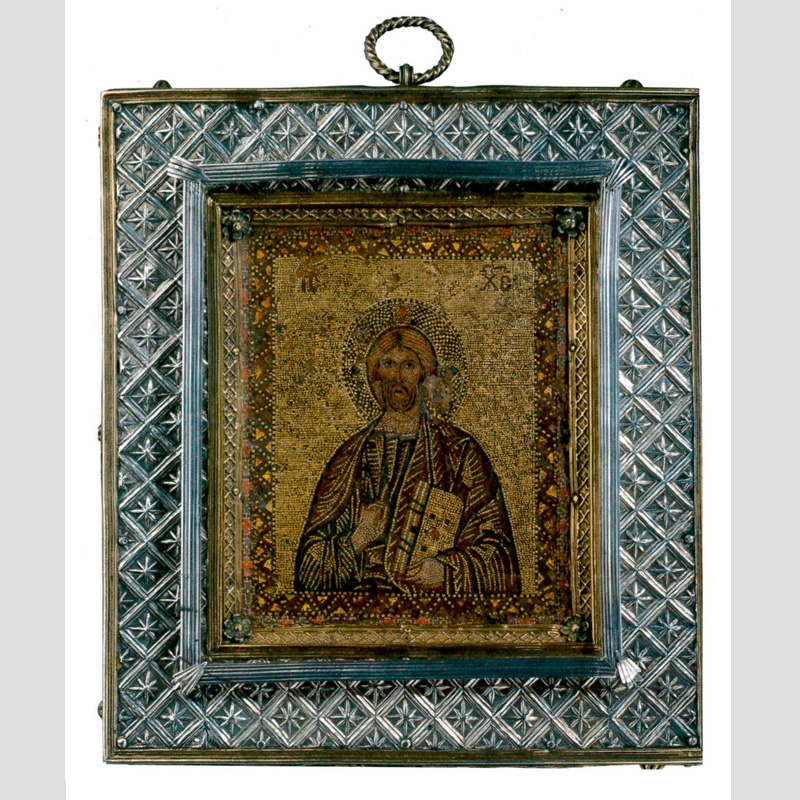
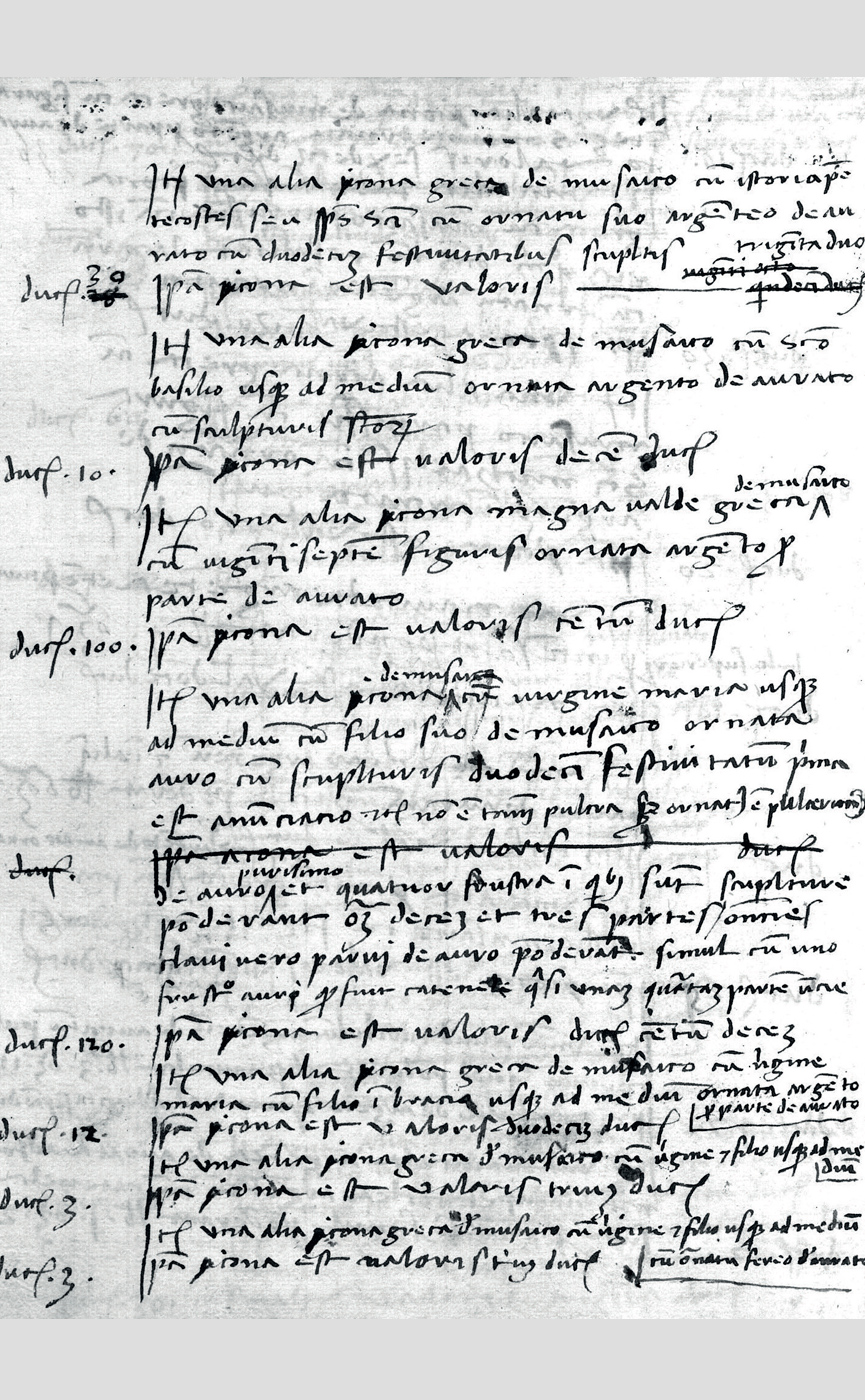
La collezione del Cardinale Pietro Barbo (1417-1471), poi Papa Paolo II (1464-1471), conta, tra i oltre 3100 oggetti elencati nell’inventario e attualmente custoditi nell’Archivio di Stato di Roma, un consistente gruppo di artefatti bizantini: trentanove icone, tra cui venticinque miniature a mosaico, cinque tessuti e un vaso in pietra dura. Sebbene gli oggetti siano rappresentati da descrizioni accurate, nessuno è collegato in modo positivo a opere sopravvissute. Un obiettivo primario di questo studio è stato, quindi, identificare alcune di queste voci. Sebbene, tra le miniature a mosaico esistenti (meno di cinquanta nel mondo), solo una possa essere, quasi certamente, associata all’inventario – il Cristo Pantocratore nella Chiesa dei Santi Pietro e Paolo a Chimay – l’articolo suggerisce che altre opere sopravvissute potrebbero appartenere al prelato: precisamente, le icone a mosaico di San Nicola a Kiev e quelle della Vergine Eleousa a New York e Venezia. Non sono state trovate, per ora, tracce delle altre icone, né dei tessuti o del vaso. Inoltre, è stato possibile confermare che, dopo la morte di Paolo II, non tutte le opere d’arte furono vendute dal suo successore, Sisto IV. Alcuni oggetti, infatti, rimasero a Roma e divennero parte delle Collezioni Vaticane: i tessuti di seta, registrati a Castel Sant’Angelo negli anni ’20 del ‘500, e alcune icone, che potrebbero corrispondere a oggetti elencati negli inventari del XV e XVI secolo della Sacrestia di San Pietro.

Summary

The collection of Cardinal Pietro Barbo (1417-1471), later Pope Paul II (1464-1471), counts, among the over 3100 objects listed in the inventory and now housed in the Archivio di Stato in Rome – a substantial group of Byzantine artefacts: thirty-nine icons, among which twenty-five were miniature mosaics, five textiles and a hardstone vase. Although the objects are represented by accurate descriptions, none is positively connected to surviving works. A primary aim of this study was, therefore, to identify some of these entries. Though, among extant miniature mosaics (less than fifty in the world), only one can be, almost certainly, associated to the inventory – the Christ Pantokrator in the Church of Sts Peter and Paul in Chimay – the essay suggests that other surviving works could have belonged to the prelate: exactly, the mosaic icons of Saint Nicholas in Kiev and those of the Virgin Eleousa in New York and Venezia. No traces were found, for now, of the other icons, nor the textiles or the vase. Moreover, it has been possible to confirm that, after Paul II’s death, not all the artworks were sold by his successor, Sixtus IV. A few objects, indeed, stayed in Rome and became part of the Vatican Collections: the silk textiles, recorded in Castel Sant’Angelo in the 1520s and a few icons, that potentially match items listed in 15th-and 16th-Century inventories of the Sacristy of St. Peter.