Contenuto in: 

Il Refettorio Ambrosiano, opera d’arte totale e la sua committenza

 6,00

Categoria:

Sommario

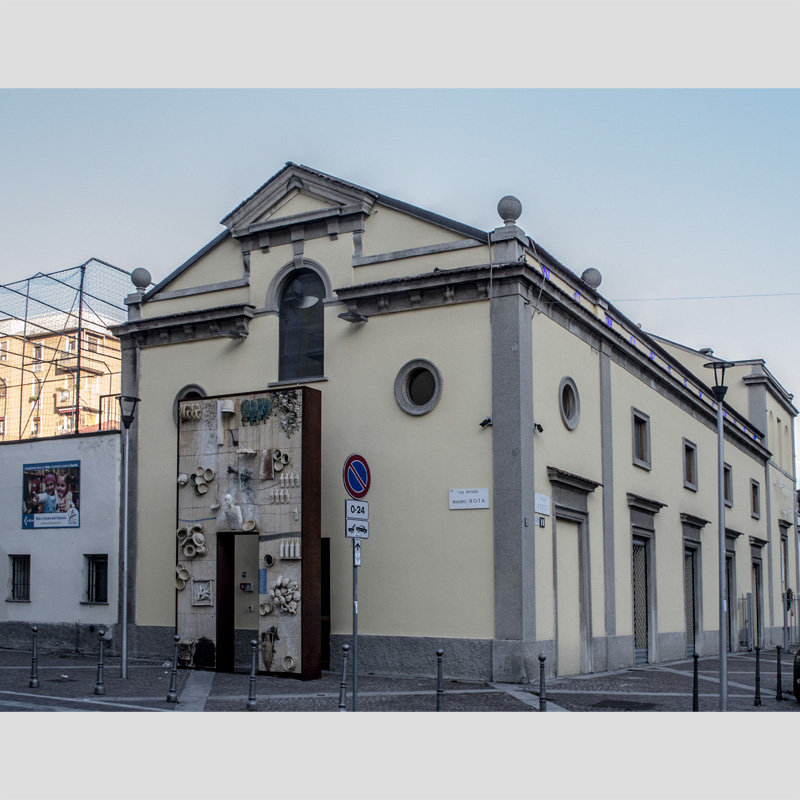
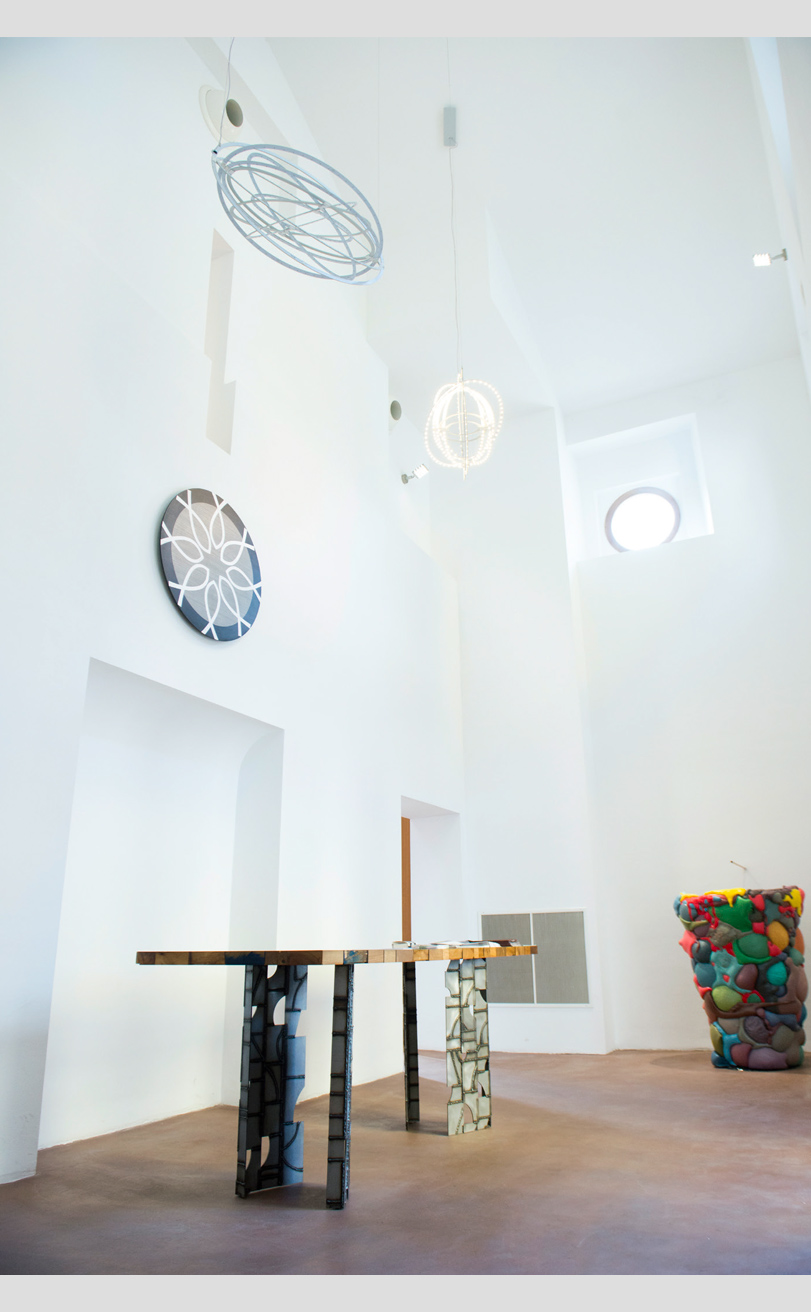
Il Refettorio Ambrosiano, realizzato durante l’Expo 2015 di Milano, in Piazza Greco, rappresenta un interessante caso di studio in quanto si colloca a cavallo tra il mondo dell’arte e quello della Chiesa. Il testo segue il percorso di realizzazione, valutando l’importanza del committente e della Caritas Ambrosiana, dell’arcivescovo di Milano, degli artisti di spicco, dei designer, del mondo accademico, dell’industria italiana, di chef rinomati, del mondo dei volontari, degli ospiti del refettorio e degli abitanti del quartiere. I protagonisti di questa realizzazione contribuiscono a un’opera d’arte complessiva che trae il suo significato dalla missione che svolge e dalla vita che trasmette in tutta la sua essenza. Il carattere dominante di questo processo è la capacità trasformativa, che diventa l’ipotesi di ricerca di questo saggio e guida sia il mondo del processo artistico che quello dell’esperienza religiosa. Tutte le opere “site-specific” create per il Refettorio Ambrosiano, pur non avendo come destinazione un luogo sacro, sembrano suggerire un messaggio sacro. Qui, sacro e religioso tendono a riconnettersi e sovrapporsi. I legami tra le categorie dell’arte e della ricerca religiosa sono quindi molto più articolati e complessi di quanto si pensasse un tempo. Esse abbracciano sia la dimensione sacra, presente nell’opera autonoma dell’artista, sia la valutazione dell’impatto degli aspetti religiosi sulla teoria artistica.

Summary

The Refettorio Ambrosiano, realized during Milan’s Expo 2015, in Piazza Greco is an interesting case study as it is crosscurrent between the world of art and the world of the Church. The text follows the realization path by evaluating the importance of the commissioner and the Caritas Ambrosiana, the archbishop of Milan, leading artists, designers, the academic world, Italian industry, renowned chefs, the volunteers’ world, guests of the refectory, and inhabitants of the neighborhood. The players of this realization contribute to a complete work of art that takes its meaning from the mission it carries out and from the life it transmits in all its essence. The dominant character of this process is the transformative capacity, which becomes the research hypothesis of this essay and leads both the world of the artistic process and that of the religious experience. All of the “site-specific” pieces created for the Refettorio Ambrosiano, even if not having a sacred place as destination, seem to suggest a sacred message. Here, sacred and religious tend to reconnect and overlap. The links between the categories of art and religious research are therefore much more articulate and complex than once thought. They embrace both the sacred dimension, present in the autonomous work of the artist, and the evaluation of the impact of the religious aspects on artistic theory.

Pubblicazioni collegate