Contenuto in: 

L’impronta del sacro secondo Claudio Parmiggiani

€ 6,00

Categoria:

Sommario

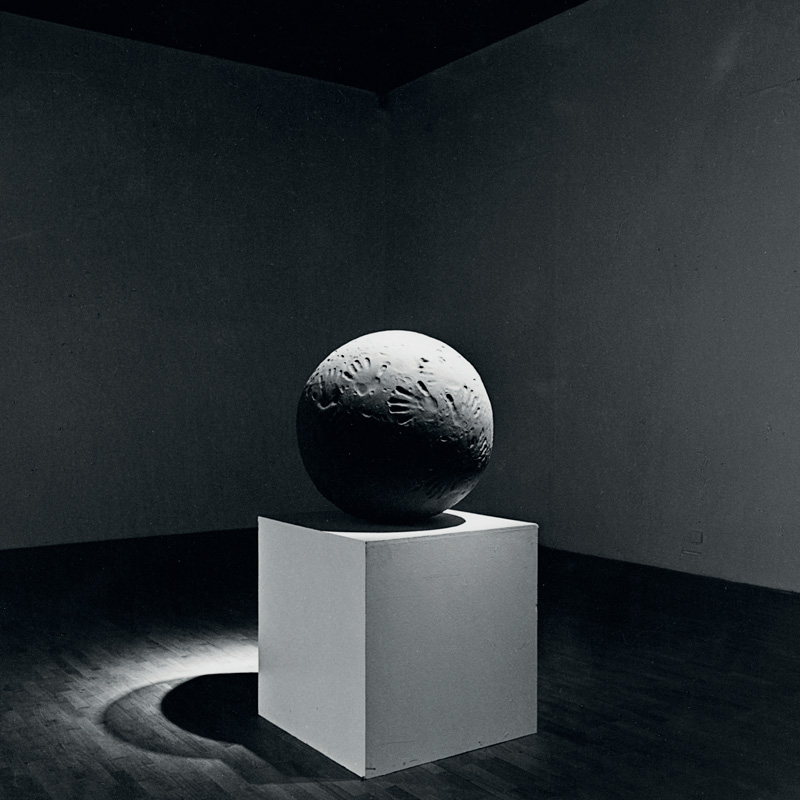
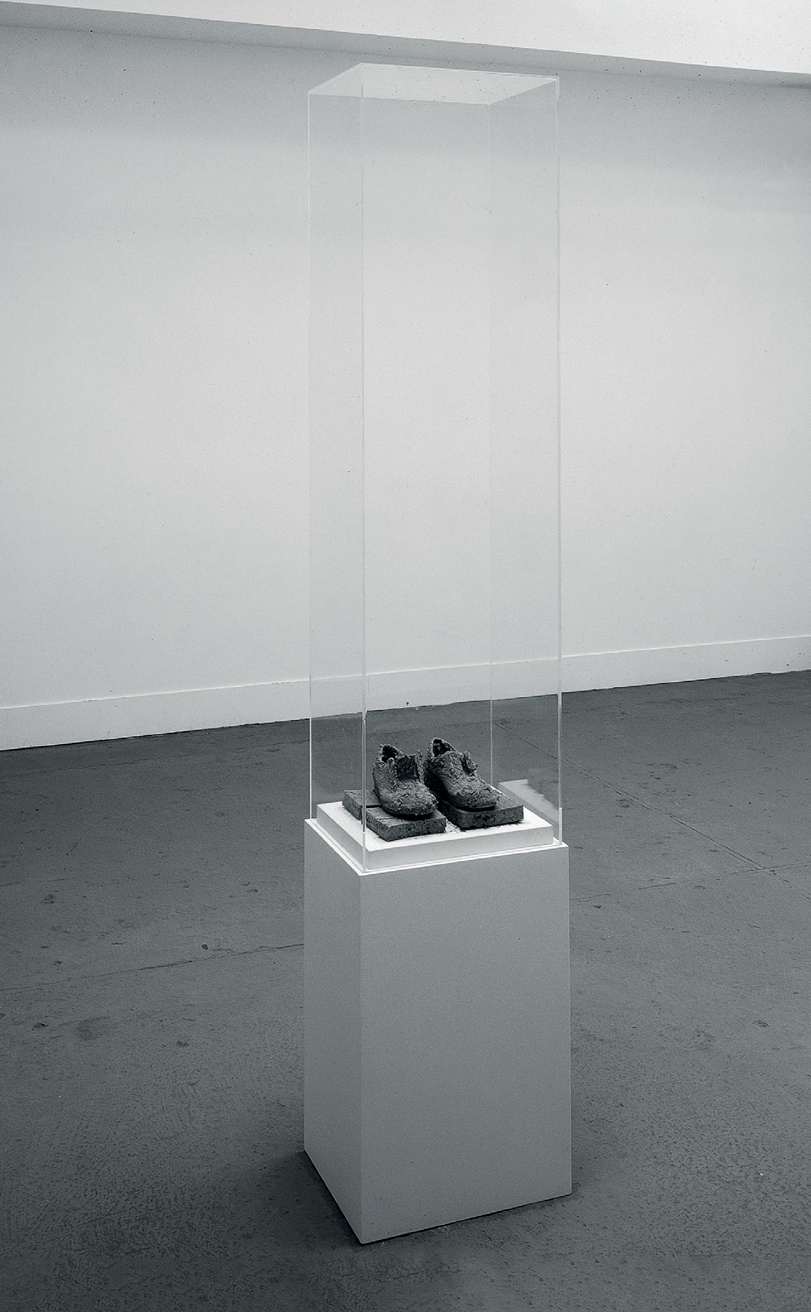
Le opere di Claudio Parmiggiani sono state commissionate negli ultimi dieci anni per diversi luoghi importanti per il cristianesimo, come la cattedrale di Reggio Emilia e l’eremo di Camaldoli, e l’artista è attualmente coinvolto in altri progetti significativi in questo campo. In tutti questi lavori, egli risponde alla situazione e alla motivazione del progetto, ma ricorre anche ai temi che rappresentano la sua poetica e i suoi legami con argomenti specifici della storia dell’arte. Tra questi c’è il tema del segno, secondo cui l’ombra è un medium che mostra le relazioni tra ciò che vediamo e l’Altro, l’archetipico, il Divino. Nicoletti indaga le connessioni tra alcune opere di Parmiggiani e le reliquie, come le “impronte di Cristo” nella chiesa di S. Maria in Palma, a Roma. Entrambi hanno al loro centro il tema della memoria e testimoniano qualcosa che non è presente, ma che conosciamo per fede. Esaminando le posizioni critiche sollevate dall’opera di Parmiggiani, e in particolare i saggi di Georges Didi-Huberman, l’autore indaga le ragioni per cui le “sculture d’ombra” di Parmiggiani conservano le memorie di contenuti personali e simbolici.

Summary

Works of Claudio Parmiggiani have been commissioned in the last ten years for several places that are important for Christianity, such as the cathedral of Reggio Emilia and the hermitage of Camaldoli, and the artist is now involved with other important projects in this field. In all of these works, he responds to the situation and the reason of the project, but he also resorts to the themes that represent his poetics and his ties with specific topics in art history. Among these is the theme of the mark, according to which shadow is a medium showing the relationships between what we see and the Other, the archetypal, the Divine. Nicoletti investigates the connections between a few works of Parmiggiani and relics, like the “footprints of Christ” in the church of S. Maria in Palma, in Rome. Both have their core in the theme of memory and witness something that is not there, but that we know by faith. Looking at the critical positions that the work of Parmiggiani has arisen, and particularly the essays of Georges Didi-Huberman, the author investigates the reasons from which the “shadow sculptures” of Parmiggiani preserve the memories of personal and symbolic contents.

Pubblicazioni collegate