Contenuto in: 

«Verso un uomo concepito come entità spirituale completa ed unitaria»: le matrici primordiali e spirituali della scultura di Francesco Somaini

 6,00

Categoria:
Autori:

Sommario

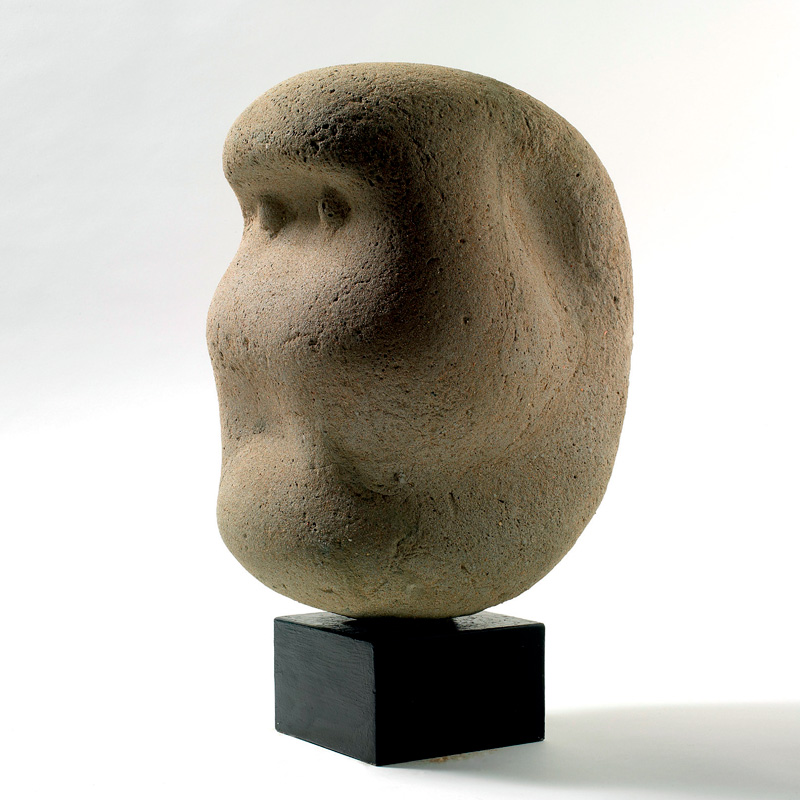
Molti aspetti della cultura artistica italiana degli anni Trenta e Quaranta, gli anni della formazione di Francesco Somaini, si riflettono nelle sue prime opere dedicate a temi sacri e religiosi. Il testo indaga alcune delle influenze dirette e indirette che sono state decisive per la definizione delle sue prime opere, in particolare quelle su temi sacri. La scultura di Somaini è figurativa, esprimendo uno stile elementare e universale, influenzato dall’esempio di scultori come Arturo Martini o Marino Marini. Fu anche influenzato dal contesto in cui visse, e in particolare dal pensiero primordialista di Franco Ciliberti, un filosofo comasco, che Somaini frequentò negli anni Quaranta. Ciliberti fu il fondatore della rivista Valori Primordiali nel 1938 e del Gruppo Primordialista Futurista Sant’Elia nel 1941, che riuniva artisti figurativi e astratti, nonché architetti razionalisti uniti dal desiderio di cercare l’originale. Il confronto tra i testi di Ciliberti e gli scritti giovanili di Somaini, in particolare quelli pubblicati nella rivista Sentimento, legata al gruppo cerchista comasco, consente di far emergere aspetti teorici del suo pensiero utili per comprendere la complessità della sua spiritualità, espressa sia nelle sue opere giovanili che in quelle della sua maturità.

Summary

Many aspects of the Italian artistic culture of the 1930s and 1940s, the years of Francesco Somaini’s formation, are reflected in his early works dedicated to sacred and religious themes. The text investigates a few of the direct and indirect influences that were decisive for the definition of his early works, especially those on sacred themes. Somaini’s sculpture is figurative, expressing an elementary and universal style, influenced by the example of sculptors such as Arturo Martini or Marino Marini. He was also influenced by the context in which he lived and in particular by the primordialist thought of Franco Ciliberti, a philosopher from Como, where Somaini frequented in the 1940s. Ciliberti was the founder of the magazine Valori Primordiali in 1938 and of the Sant’Elia Futurist Primordialist Group in 1941, which brought together figurative and abstract artists as well as rationalist architects united by a desire to search for the original. The comparison between Ciliberti’s texts and Somaini’s youthful writings, in particular those published in the magazine Sentimento, which was linked to the Como-based Cerchio group, allows theoretical aspects of his thought to emerge that are useful for understanding the complexity of his spirituality, expressed both in his youthful works and in those of his maturity.