Contenuto in: 

Il fuoco della fede. L’Amor divino di Girolamo Imperato e la propaganda gesuita a Napoli

€ 6,00

Categoria:

Sommario

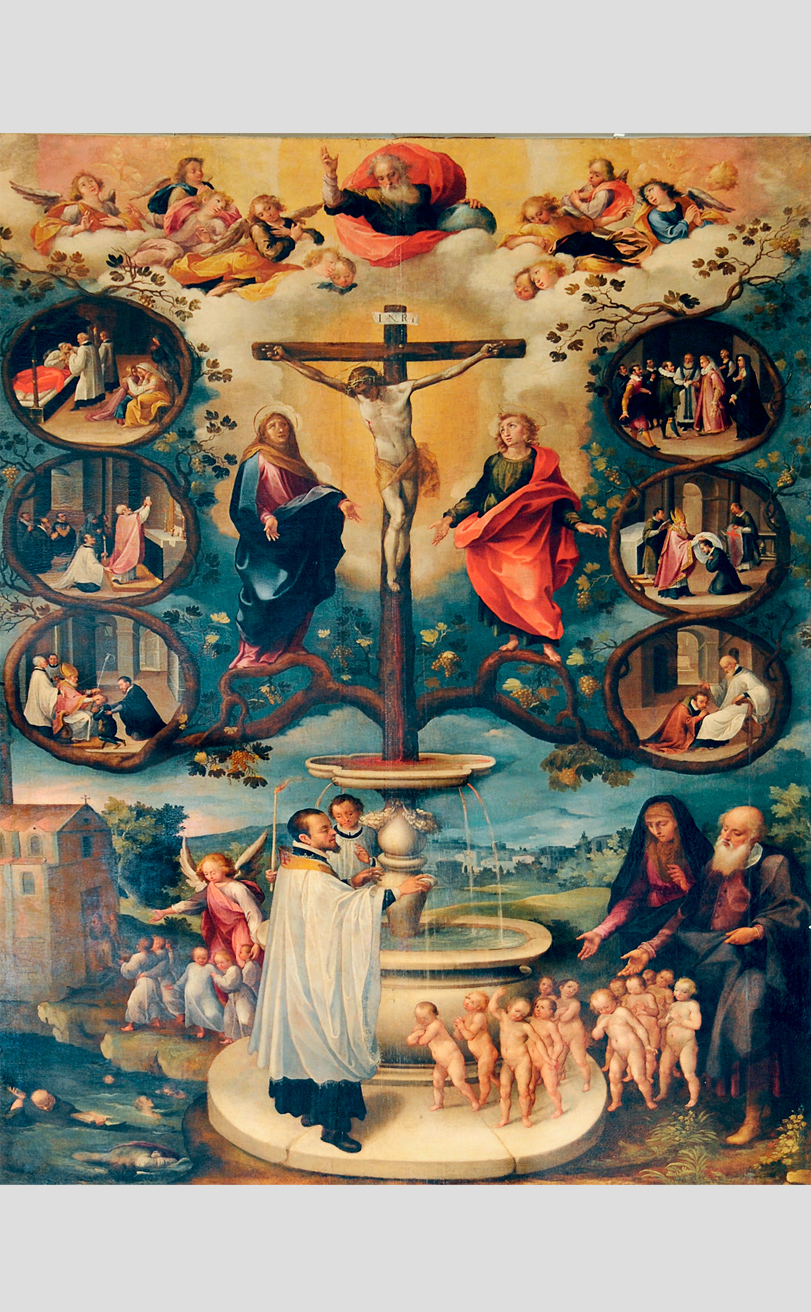
Alla svolta tra il XVI e il XVII secolo, nel bel mezzo del pontificato di Clemente VIII (1592-1605) e dell’episcopato napoletano di Alfonso Gesualdo (1596-1603), Girolamo Imperato fu senza dubbio uno degli interpreti più apprezzati dei Gesuiti che vivevano a Napoli. Tentando di rileggere la relazione tra l’Ordine e l’artista sullo sfondo dell’azione riformatrice promossa da Gesualdo nella Chiesa napoletana, il contributo propone un significativo aggiornamento sull’ultima attività del pittore. Si tratta di un dipinto inedito (179 x 95 cm) oggi nell’abbazia di Montecassino, una rara interpretazione di Amore divino da parte di Imperato, tratta da un sofisticato incisione di Hieronymus Wierix, probabilmente inviata a Napoli dai Gesuiti stabiliti a Roma. A giudicare dallo spirito pedagogico dell’opera e dalla sua complessa architettura iconografica, l’immagine doveva avere come destinatari privilegiati i due principali attori del sistema educativo gesuitico: i docenti, chiamati a formare le migliori intelligenze e a stimolare le loro vocazioni, e gli studenti, una categoria che la Compagnia percepiva come un inestimabile patrimonio e su cui, come è ben noto, investiva risorse molto significative a livello umano ed economico.

Summary

At the turn of the sixteenth and seventeenth centuries, in the middle of the pontificate of Clement VIII (1592-1605) and of the Neapolitan episcopate of Alfonso Gesualdo (1596-1603), Girolamo Imperato was undoubtedly one of the most appreciated interpreters of the Jesuits living in Naples. Trying to re-read the relationship between the Order and the artist on the background of the reforming action promoted by Gesualdo in the Neapolitan Church, the contribution proposes a significant addition to the last activity of the painter. It is an unpublished painting (179 x 95 cm) today in the abbey of Montecassino, a rare interpretation of Amore divino which Imperato deduced from a sophisticated engraving by Hieronymus Wierix, credibly sent in Naples by the Jesuits established in Rome. Judging by the pedagogical spirit of the work and by its complex iconographic architecture, the image must have had as its privileged recipients the two main actors of the Jesuit educational system: the teachers, called to train the best intelligences and stimulate their vocations, and the students, a category that the Company perceived as an inestimable patrimony and in which, as is well known, it invested very conspicuous resources on the human and economic level.