Contenuto in: 

Il restauro dell’ultimo bozzetto di Lucio Fontana per la Quinta Porta del Duomo di Milano

 6,00

Categoria:
Autori:

Sommario

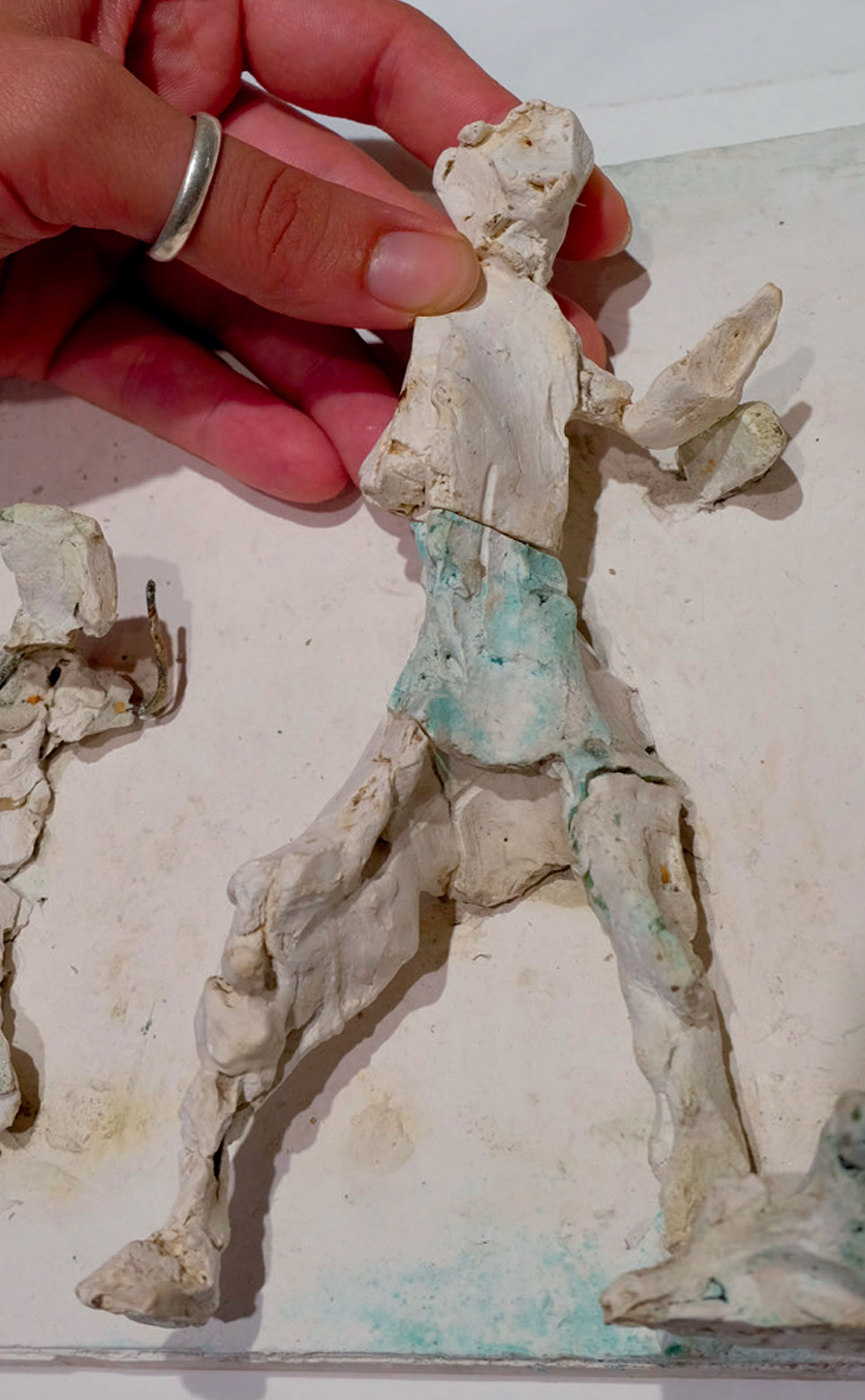
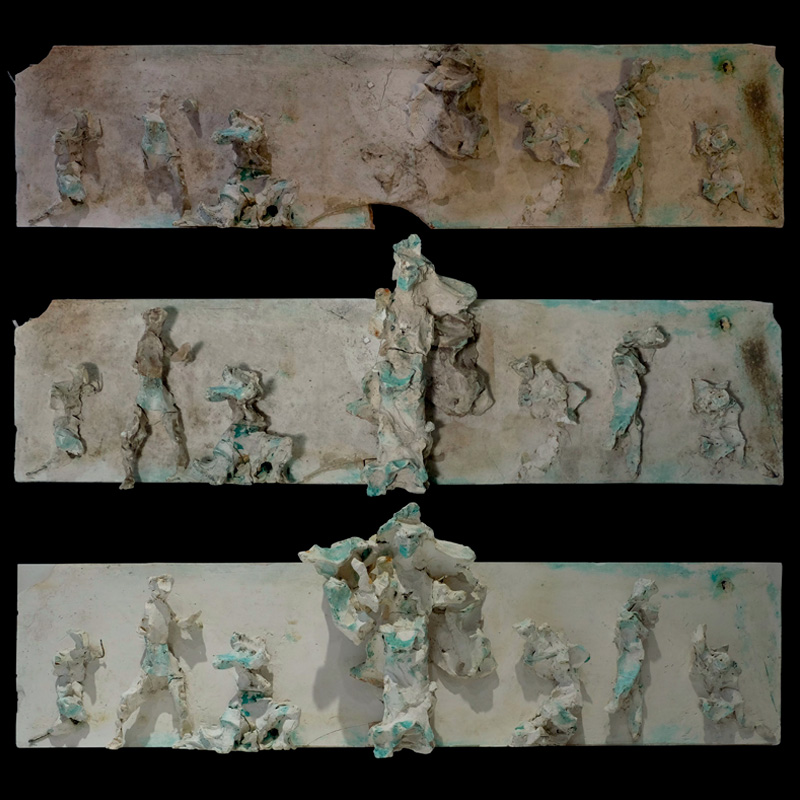
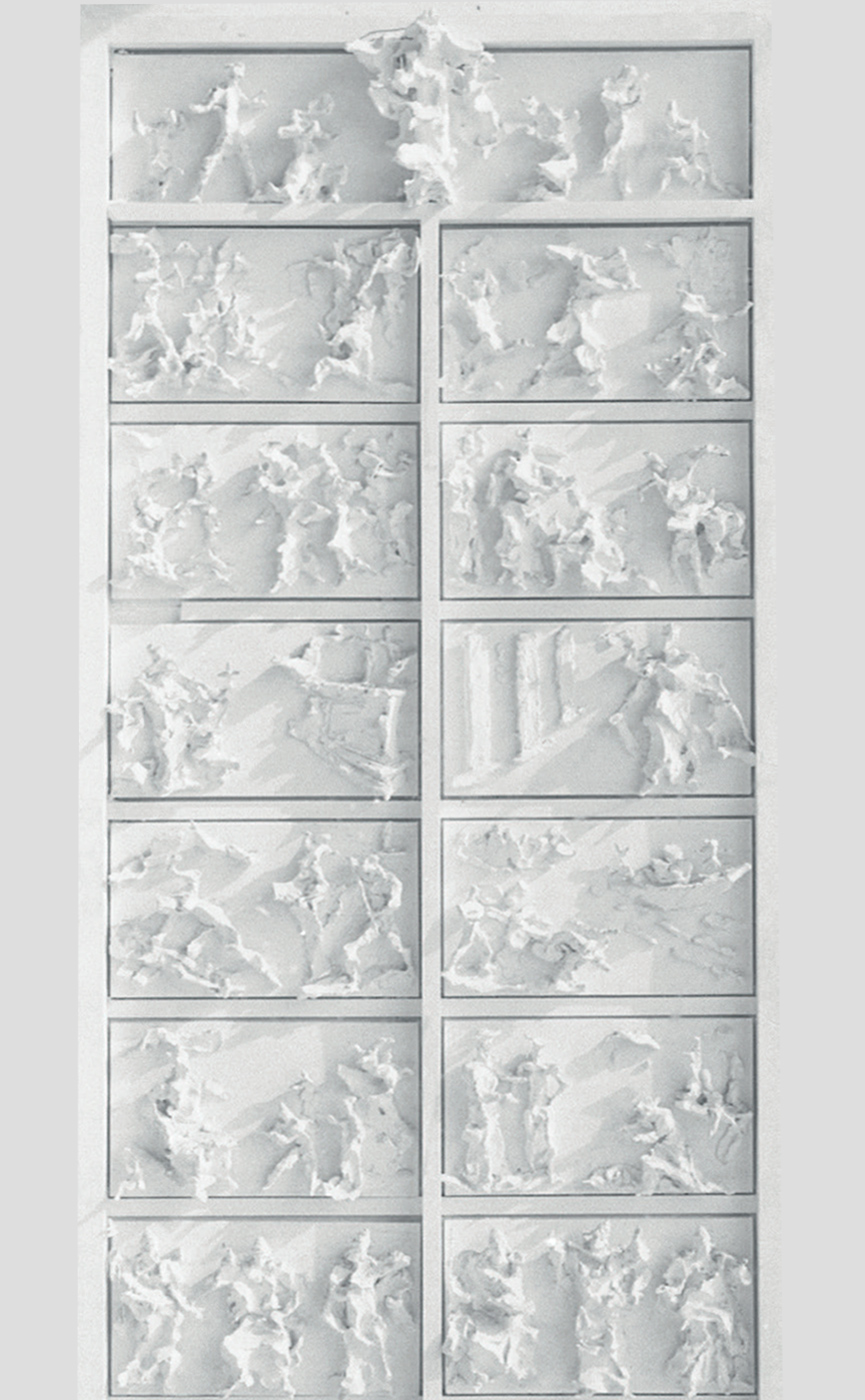
Il modello in gesso in scala della Quinta Porta del Duomo di Milano di Lucio Fontana è stato sottoposto a un restauro meticoloso, volto a preservare le tracce delle varie fasi di lavorazione, fondamentali per documentare l’evoluzione del modello. Quando riscoperto, il modello era significativamente danneggiato da uno spesso strato di detriti superficiali che ne avevano alterato il colore, presentava numerose fratture e frammenti staccati. Inoltre, le 13 formelle erano separate dalla cornice della porta, anch’essa realizzata in gesso e sostenuta da travi di legno sul retro.
La storia conservativa del modello in scala è strettamente legata alle tecniche utilizzate per le fusioni in bronzo negli anni ’70. In quel periodo, la copia in gesso fu sottoposta a un sistema di stampi, dai quali fu creata una versione in cera per il processo di fusione a cera persa, che produsse la porta in bronzo. Durante la fase di stampaggio, le parti del modello che sporgevano eccessivamente furono tagliate per evitare danni, spiegando la presenza di molti frammenti staccati con superfici nettamente tagliate. Altri frammenti, con segni di fratture o rotture, furono causati da danni accidentali.
I restauratori hanno riassemblato questi frammenti identificando le linee di frattura e i tagli, utilizzando foto d’archivio risalenti alla presentazione del modello alla Veneranda Fabbrica negli anni ’50, oltre al bronzo per riferimento. La pulizia è stata eseguita utilizzando gel di Agar, e il sistema di incollaggio originale è stato ripristinato dopo uno studio approfondito delle varie componenti del modello e di ciò che rimaneva delle sue caratteristiche strutturali.

Summary

Lucio Fontana’s plaster scale model of the Fifth Door of Milan’s Cathedral has undergone a meticulous restoration aimed at preserving the traces of its various processing stages, which are vital in documenting the model’s evolution. When rediscovered, the model was significantly damaged by a thick layer of surface debris that had altered its color, and it had several fractures and detached fragments. Additionally, the 13 tiles were separated from the doorframe, which was also made of plaster and supported by wooden beams at the back.
The conservation history of the scale model is closely tied to the techniques used to create bronze castings in the 1970s. At that time, the plaster copy was subjected to a system of moulds, from which a wax version was created for the lost-wax casting process that produced the bronze door. During the moulding process, any excessively protruding parts of the model were cut away to avoid damage, accounting for many of the detached fragments with cleanly cut surfaces. Other fragments, showing signs of fractured or broken surfaces, were the result of accidental damage.
Restorers reassembled these fragments by identifying the fracture lines and cuts, using archival photos from when the model was first presented to the Veneranda Fabbrica in the 1950s, as well as the bronze casting for reference. Cleaning was conducted using Agar gel, and the original bonding system was restored following an in-depth study of the various components of the model and what remained of its structural features.