Contenuto in: 

Il grembo mistico del Redentore. Una rara Pietà ceroplastica del tipo in visceribus Christi

€ 6,00

Categoria:

Sommario

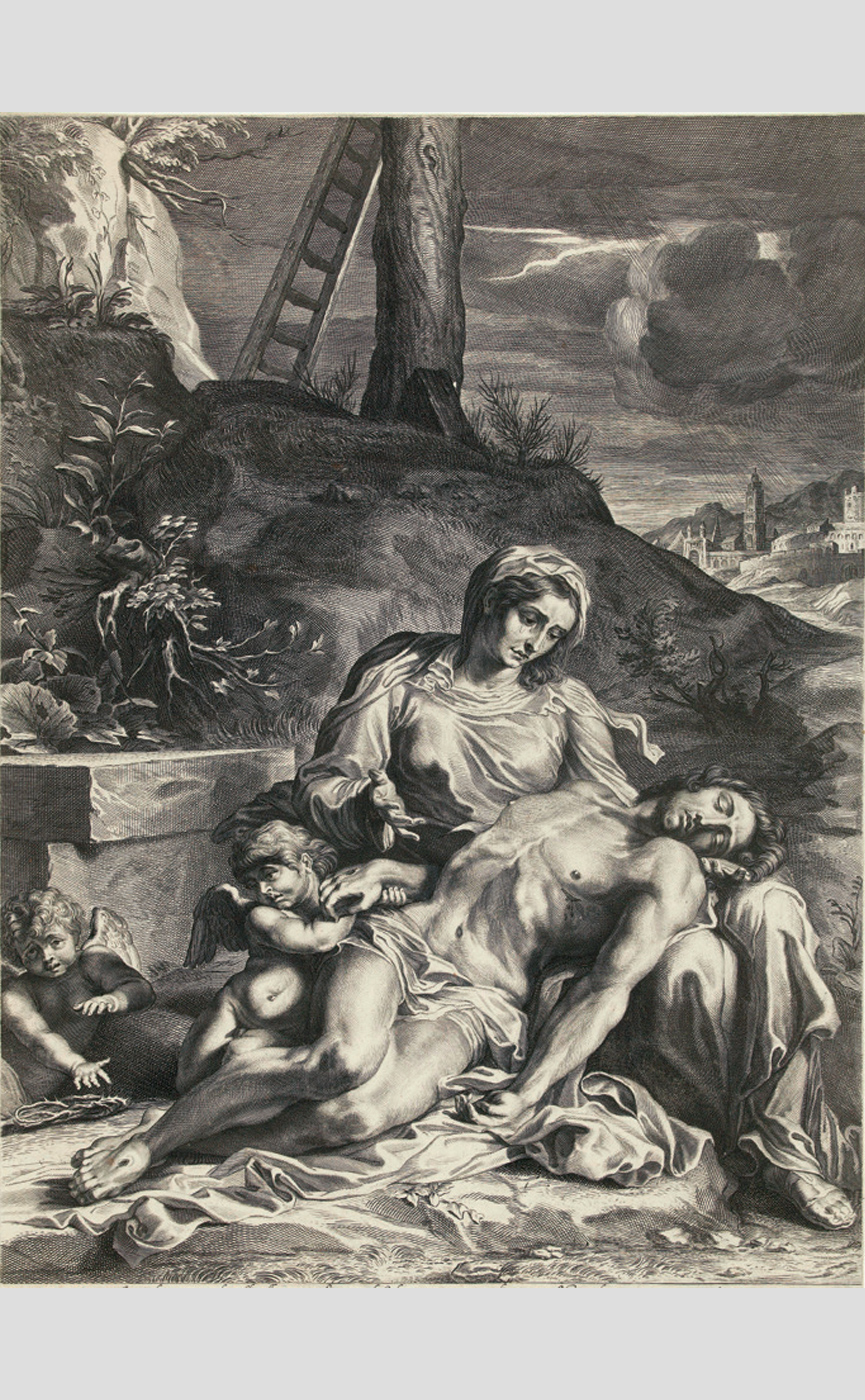
Il saggio analizza una scultura in cera molto rara (finora un unicum) della seconda metà del XVIII secolo, rappresentante una Pietà del tipo “in visceribus Christi”. La composizione, di alta qualità e attribuibile al contesto siciliano, mostra Maria in un atteggiamento di tristezza, seduta ai piedi della croce, con il corpo senza vita del figlio disteso sul suo grembo; quattro putti paffuti, anch’essi con espressioni afflitte, tengono gli strumenti della Passione. L’apertura sullo sterno di Cristo rivela le sue viscere di misericordia. Il fulcro della composizione è il grembo mistico del Salvatore nella sua interrelazione con il grembo carnale della Vergine. Il significato iconologico è complesso: configurare Cristo come la “porta” che conduce alla salvezza.

Summary

The essay analyzes a very rare (to date, a unicum) wax sculpture from the second half of the 18th Century representing a Pietà of the type “in visceribus Christi”. The composition, of high quality and attributable to the Sicilian context, shows Mary in a sad attitude, sitting at the foot of the cross, with the dead body of her son lying on her lap; four plump putti, also with a distraught expression, grasp the instruments of the Passion. The opening on the sternum of Christ reveals his bowels of mercy. The fulcrum of the composition is the mystical womb of the Saviour in its interrelation with the carnal womb of the Virgin. The iconological meaning is complex: to configure Christ as the ‘door’ that leads to salvation.